There were flamingos in the lagoon as we drove toward Mondrian Cancún.

It was a beautiful introduction to a weekend we were genuinely looking forward to. We had booked a suite overlooking the lagoon, upgraded to Mondrian+, and planned to spend two nights exploring what the brand bills as the world’s first Mondrian All Inclusive.
We live in Cancún. We know the destination well, and we’ve spent considerable time experiencing its hotels, restaurants, and resorts. We also know that the words luxury and all-inclusive don’t always translate into the same experience.
But Mondrian intrigued us.
The brand has a reputation for design-forward, lifestyle-oriented hospitality. We wanted to see how that identity would translate into the all-inclusive model, particularly in a market where the category is often associated with scale, entertainment, and convenience rather than personalized service.
At $466 USD per night, our upgraded suite, including Mondrian+, seemed like an opportunity to explore that question at a relatively accessible price for the category. We deliberately chose a higher room category for its jetted tub and additional features.
We knew the property had opened only in August 2026. We weren’t expecting perfection. New hotels need time to settle into their rhythms, and we were prepared to extend some grace.
What we weren’t prepared for was how many basic elements of the guest experience would fall short.
We left after one night.
A beautiful property, a fragmented arrival
Our first impression of Mondrian’s physical setting was excellent.
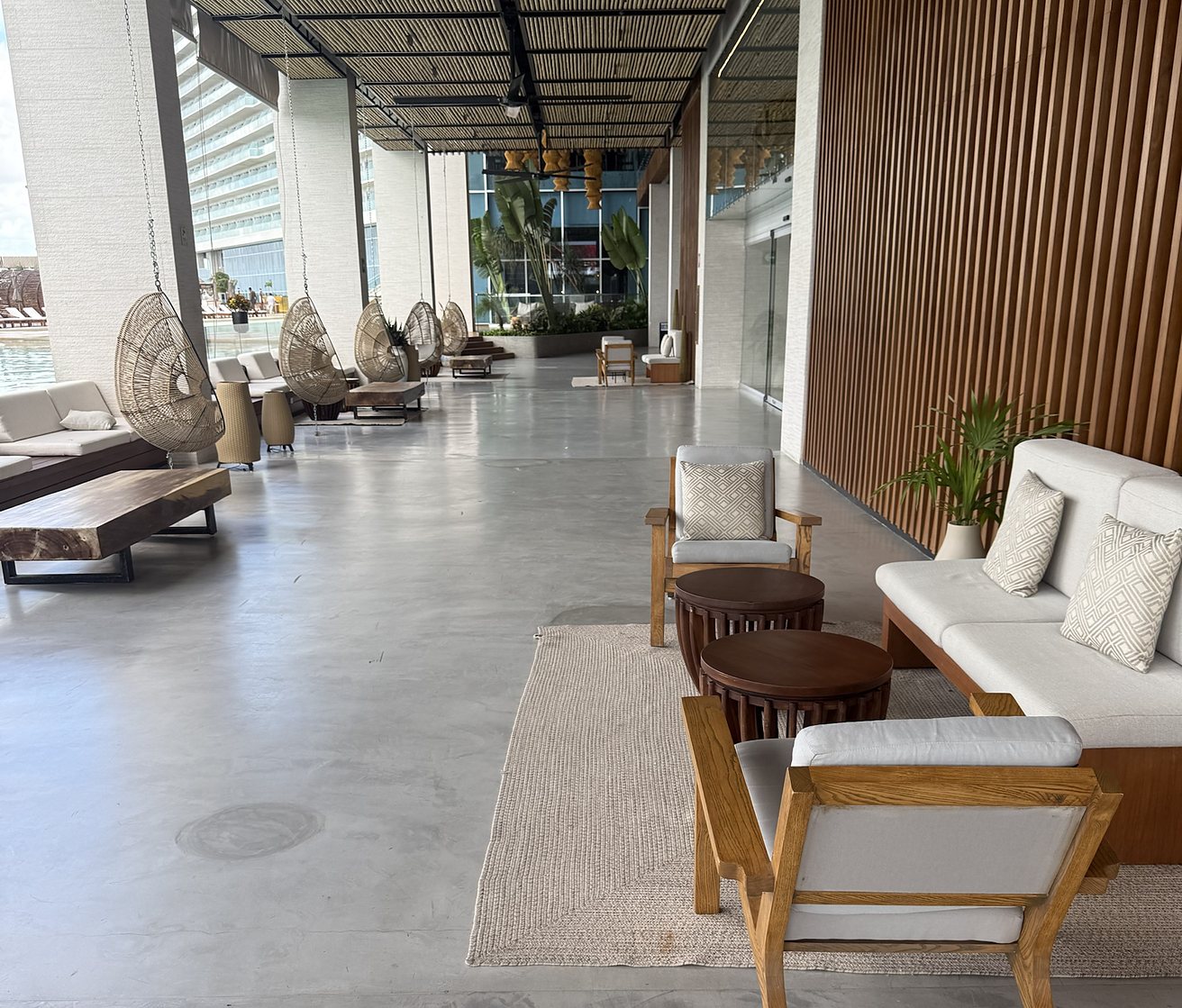
The lagoon views were spectacular. The architecture, interiors, and public spaces reflected the kind of visual ambition we’d hoped to find. The restaurant spaces, in particular, were beautifully designed, with thoughtful furniture and striking details.
But the arrival experience never quite came together.
Despite multiple contacts with the hotel earlier that day, the security guard at the entrance didn’t have our reservation information readily available.
There was no valet service and no clearly designated parking arrangement. We parked our own car and made our way to reception.
To the hotel’s credit, our luggage was collected and reached our room before we did. It was one of the smoother parts of our arrival.
Check-in itself was surprisingly minimal.
We received a single room key but little explanation of the property, its layout, or the services included in our reservation. We weren’t directed to the elevators or shown how to reach our room. Instead, we found ourselves asking other people for directions.
We had specifically booked a suite with Mondrian+, yet no one walked us through what that designation meant.
We understood that it included access to an adults-only rooftop pool. We’d also seen indications that premium liquor might be among the benefits, but that was never clearly explained or confirmed during our stay.
At a property with multiple buildings, amenities, and dining venues, orientation isn’t an insignificant detail.
It’s the beginning of hospitality.
A spectacular view, and a room we couldn’t get comfortable in
Our suite had a wraparound terrace and a spectacular view over the lagoon.

The room was visually appealing, and we could immediately understand why someone might choose it.
But there were problems.
The floor had visible condensation, and the room carried a damp, mildewy odor. It had rained heavily in Cancún that day, and humidity is a familiar reality here. We understand that tropical environments create maintenance challenges.
Still, the smell was unmistakable to both of us.
We also noticed a bright blue safety light that flashed repeatedly in the dark, very little furniture on the otherwise appealing terrace, and a television that greeted us with loud, intrusive music as soon as we entered.
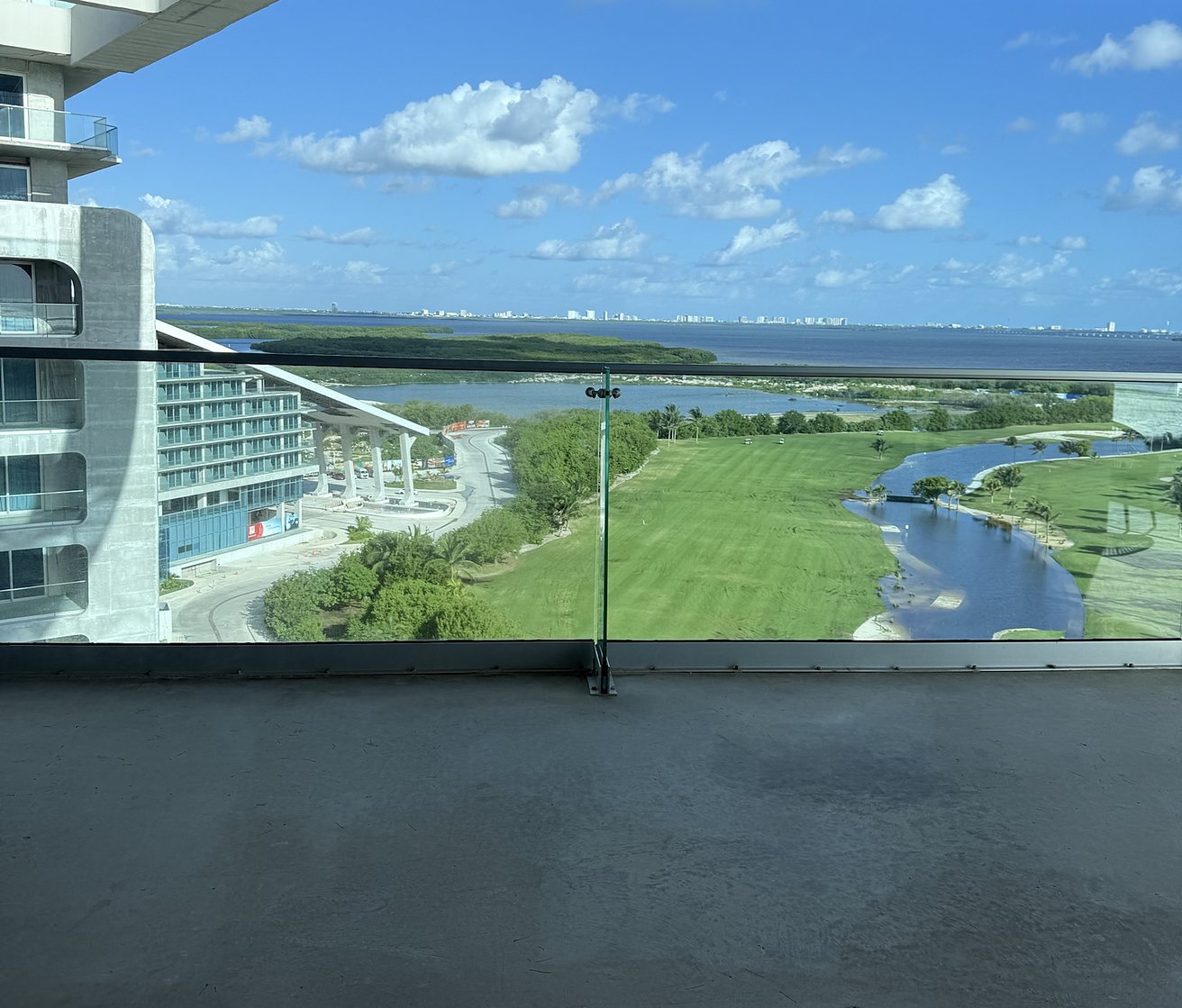
The music was a small thing, but it raised an interesting question: was the hotel designing the experience around a particular idea of lifestyle hospitality without considering how that atmosphere might actually feel to guests?
The larger issue was the room’s condition.
We weren’t comfortable spending the night in it.
The minibar mystery
Our room’s refrigerator was empty.
At an all-inclusive resort, that was unexpected, particularly given our upgraded reservation.
When Josué went downstairs to ask about it, he was told that beverages had to be requested before 5 p.m. A manager offered to make an exception.
No one had mentioned this requirement before our arrival, during our earlier calls, or at check-in.
Naturally, we asked how guests were supposed to request beverages.
Through room service, we were told.
When we asked how to contact room service, the response was that room service wasn’t operational yet.
It was a remarkable exchange.
A service we hadn’t been told to request was apparently available only during specific hours, through a department that wasn’t operating.
The hotel’s website had not disclosed these limitations when we booked.
We were beginning to wonder what, exactly, was included in the experience we’d purchased.
When a guest raises a concern
The most difficult part of our first evening wasn’t the damp room or the empty refrigerator.
It was the response when we raised our concerns.
Around 5 p.m., we were told there wasn’t another comparable room available. A lower-category room was offered, but it would have meant giving up features we’d deliberately paid for.
A manager came upstairs and told us she couldn’t detect the odor, and that previous guests hadn’t complained.
We weren’t expecting her to agree with every observation we made.
We were hoping she would listen.
Instead, the interaction left us feeling as though we needed to defend our own experience.
Hospitality is full of situations where a guest’s concern may be difficult to verify. An odor can vary with humidity, ventilation, or time of day. Different people may perceive it differently.
But the absence of a previous complaint doesn’t establish that a current guest isn’t experiencing a problem.
And telling guests that you can’t smell what they smell does little to resolve their discomfort.
We were traveling with our nine-month-old son. We’d called the property twice that day, once before booking and again afterward, to confirm that a crib would be available.
It wasn’t ready when we arrived.
The hotel eventually delivered a pack-and-play while we were at dinner, accompanied by a cute little packaged pillow. That was a thoughtful touch, and we appreciated it.
But by then, the accumulation of small and large disconnects was beginning to shape the evening.
Some people genuinely tried
We don’t want this review to suggest that everyone we encountered at Mondrian was indifferent.
That wouldn’t be fair.
When we spoke with Francisco, the rooms division manager, we encountered a very different approach.
He listened. He apologized. He acknowledged that the property was still working through challenges and expressed a genuine desire to earn our trust.
He offered complimentary aromatherapy for the room and involved the food and beverage team in an effort to improve our evening.
The difference in approach was immediately noticeable.
At dinner, we also met Tonasio, a restaurant supervisor who demonstrated warmth, empathy, and a willingness to hear our concerns. She invited us to reconnect with her at breakfast the following morning.
These interactions mattered.
They reminded us that individual employees can make a meaningful difference, even when the overall operation is struggling.
Unfortunately, those moments weren’t enough to turn the stay around.
Dinner: Good flavors, uneven execution
Only one restaurant was available for dinner that Friday evening, a Mexican concept.
We were later told that Saturday’s dinner offering would be Asian cuisine on the rooftop. Rather than having several dining options available on a given evening, guests appeared to have one choice each night.
That was a disappointment, particularly because the limited dining program hadn’t been communicated during booking.
There were some genuinely enjoyable things on the table.
The chicken tinga empanadas were delicious. The guacamole and pico de gallo tasted fresh, and the lemon drop cocktails were excellent.
We ordered tomato soup, fish tacos, seafood rice, pulpo tacos, and filete de res, followed by churros.
Some dishes were more successful than others. Josué was particularly disappointed with his meal.
But the bigger problem was the service.
Our table was noticeably unstable. Water didn’t arrive until well into the meal. Plates weren’t cleared consistently, and the service lacked the attentiveness we’d expect from a luxury-positioned property.
The high chair provided for our baby was also broken.
At one point, wine was offered as a complimentary gesture, although wine was already part of the all-inclusive package.
We appreciated the intention behind the gesture. But meaningful service recovery should offer something beyond what a guest has already purchased.
The restaurant itself was beautiful.
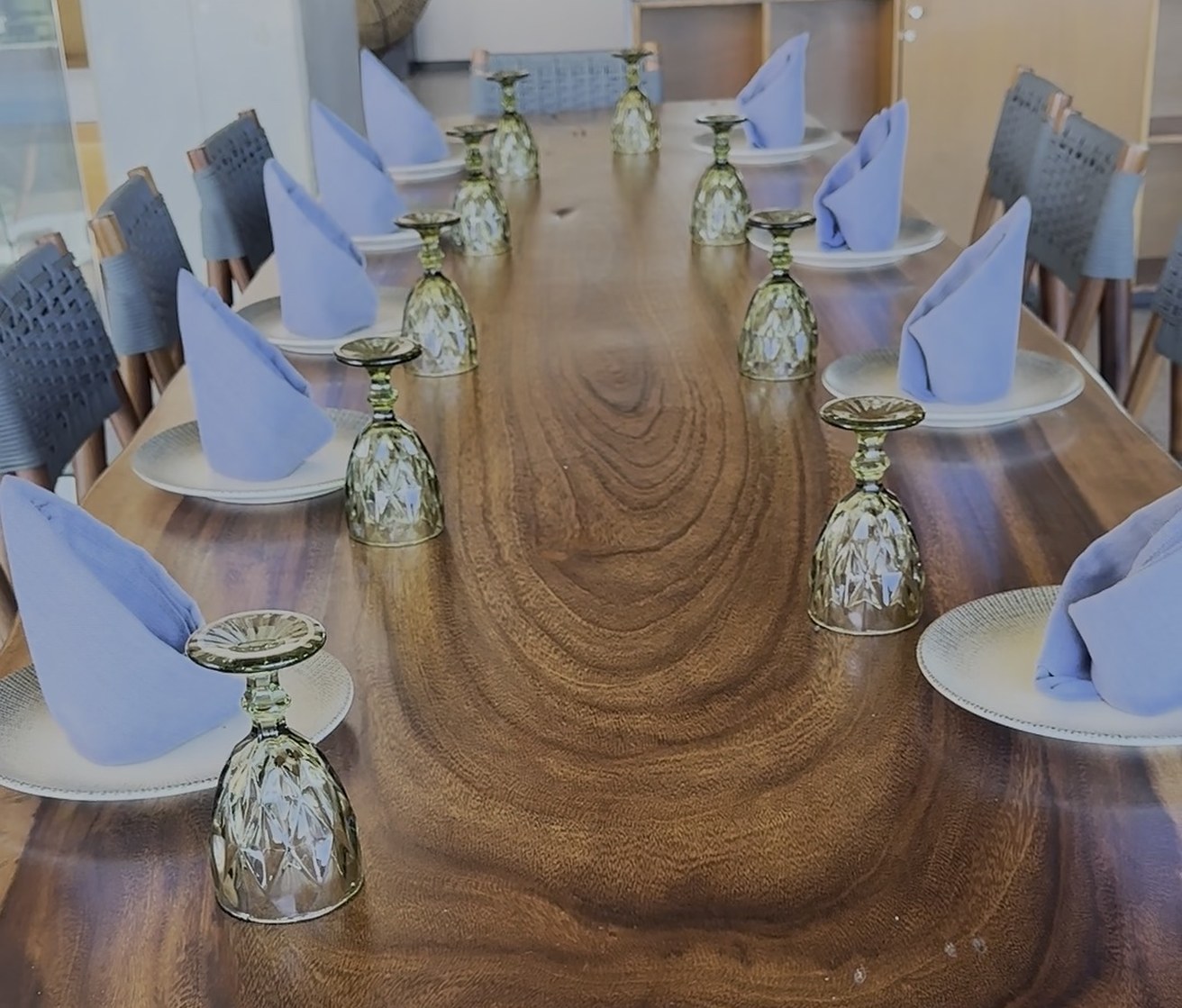
The furnishings, lighting, and design details suggested considerable care had gone into creating the space.
That made the disconnect between the setting and the experience all the more apparent.
An 11:30 p.m. room change
When we returned to our suite, the aromatherapy had improved the smell.
For a while, we thought we might be able to settle in.
But within approximately 45 minutes, the damp, sour odor returned.
We were tired. Our baby was tired. And after the earlier conversation with the manager, we weren’t eager to raise the issue again.
We tried to sleep.
Eventually, around 11:30 p.m., Josué returned to reception.
This time, the night manager offered us another room in the same category, directly across the hallway.
We don’t know whether room availability had changed since our earlier request. What we do know is that an equivalent room was now available.
We packed our belongings, gathered our sleeping baby, and moved ourselves across the hall.
The difference was immediate.
The second room smelled fresh and clean. It felt comfortable in a way the first room hadn’t.
There was no top sheet on the bed, but by that point, we were too exhausted to pursue another request.
We went to sleep.
And thankfully, we slept reasonably well.
Breakfast made the decision for us
The following morning, we wanted to give the property another opportunity.
We went to breakfast.
The buffet restaurant was visually beautiful, just as the other public spaces had been. The food itself was acceptable, and one employee at the omelet station stood out for his kindness and positive attitude.
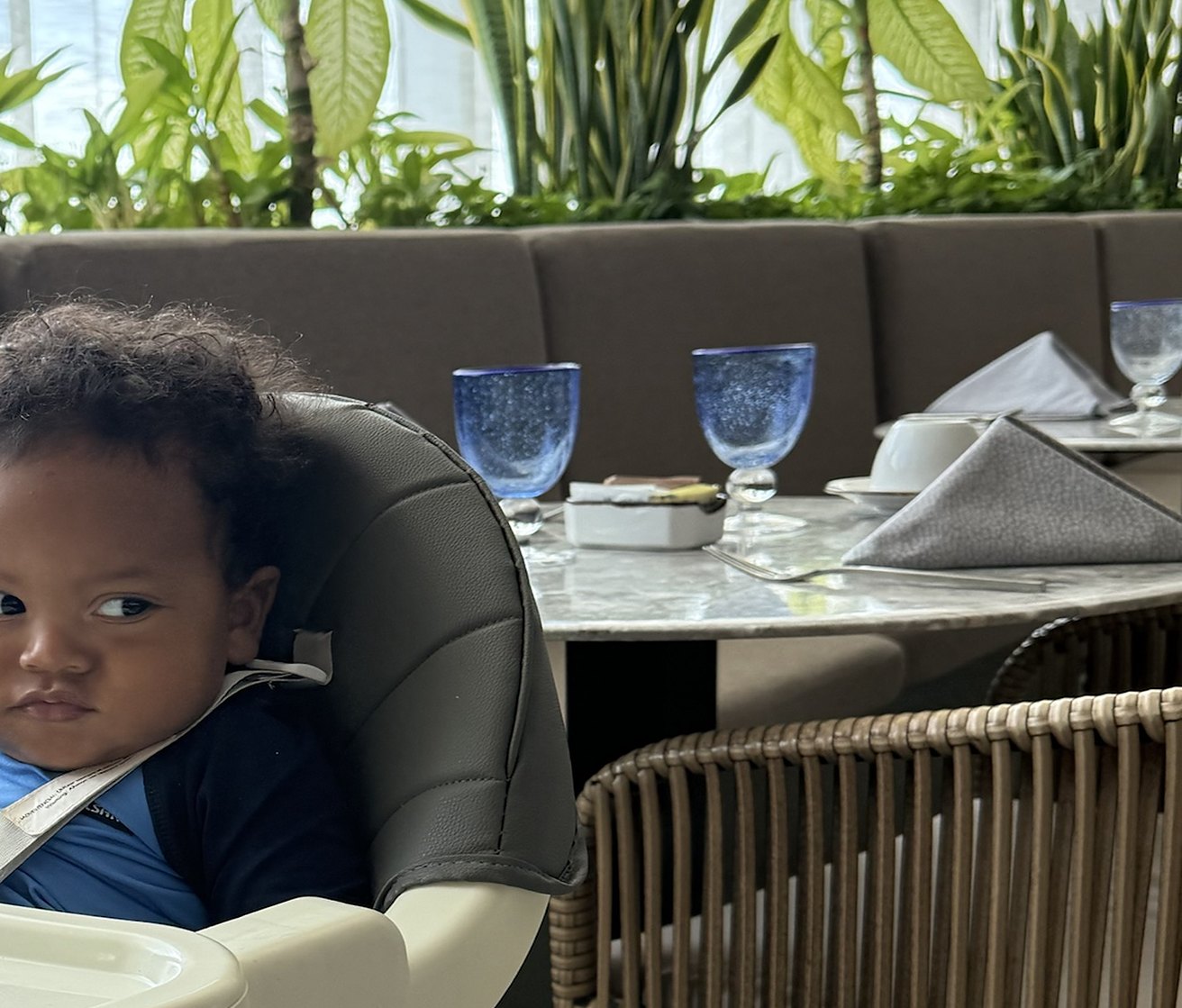
But the service was deeply disappointing.
We struggled to get coffee. When it finally arrived, it was cold. No one returned to offer refills or another beverage.
Dirty dishes remained on the table. Self-service stations were missing basic utensils, including spoons. Employees appeared uncertain about their responsibilities, and there was little sense of coordinated teamwork.
Some guests received more attentive service than others.
We observed employees who seemed overwhelmed, distracted, or disconnected from the guests around them. Eye contact and acknowledgment were often missing, even when we tried to get someone’s attention.
The experience felt less like a thoughtfully managed luxury breakfast and more like a crowded, impersonal buffet operation.
And that was when we knew we wanted to leave.
The hospitality perspective
Josué has spent more than 25 years working in luxury hospitality. He understands that service problems aren’t always the result of individual employees failing to do their jobs.
Sometimes they reflect unclear responsibilities, insufficient training, inadequate staffing, or a culture that hasn’t yet established consistent standards.
His assessment of Mondrian came down to three things: listening, training, and genuine hospitality.
When a guest raises a concern, the first response should be empathy rather than defensiveness. Employees need the training, support, and authority to resolve problems. And the experience should convey that the people welcoming you genuinely care whether you enjoy your stay.
Even small operational details matter.
An unstable dinner table should ideally be identified before guests are seated. Missing utensils at a breakfast station should be addressed before service begins. Guests shouldn’t have to repeatedly seek out employees for basic attention.
These are not extravagant luxury requests.
They are foundational elements of a well-run hospitality operation.
We met employees at Mondrian who demonstrated genuine care. Their kindness made an impression.
But those moments felt like individual efforts rather than the result of a consistently delivered service culture.
Mondrian has clearly invested in creating a beautiful physical environment.
The opportunity now is to invest just as deliberately in the people and systems responsible for bringing it to life.
The best service recovery was letting us leave
By the end of breakfast, we’d made our decision.
We didn’t want to spend another day trying to make the experience work.
Fortunately, we’d booked our two nights as separate reservations, an accidental decision that ultimately worked in our favor.
The front desk employee we spoke with that morning was kind and helpful. He was already aware of the previous evening’s problems and had communicated with reservations.
We were told we’d need to wait until the reservations department opened at 9 a.m. to confirm whether our second night could be canceled.
It could.
The booking terms said a cancellation would be charged the first night’s accommodation, which on a one-night reservation meant the whole thing. The hotel waived it anyway, and offered us a late checkout.
We weren’t refunded or otherwise compensated for the first night.
Would that have been appreciated? Certainly.
But at that point, we were simply relieved that we could leave without paying for another night we no longer wanted to spend there.
It was the most effective service recovery of our stay.
Sometimes the best thing a hotel can do is recognize that a guest’s experience cannot be recovered and make it easy for them to move on.
What happened next
We hadn’t intended to leave Mondrian early, and we certainly hadn’t planned to book another luxury resort in the middle of our weekend.
But we weren’t ready to give up on the time we’d set aside together.
Approximately an hour before arriving, we booked NIZUC Resort & Spa.
We want to be clear that NIZUC and Mondrian occupy different positions in the luxury hospitality market. They have different operating models, service structures, and guest expectations.
This wasn’t an apples-to-apples comparison.
But the contrast in our arrival experiences was difficult to ignore.
Gabriel, who assisted with our NIZUC reservation, was warm, empathetic, and solutions-oriented. He helped us access the property’s A Key to Paradise promotion, celebrating its first MICHELIN Key, and made an exception to its usual terms for a one-night stay.
He later called back to let us know we’d been upgraded to a private pool villa.
When we arrived, we were greeted enthusiastically and by name.
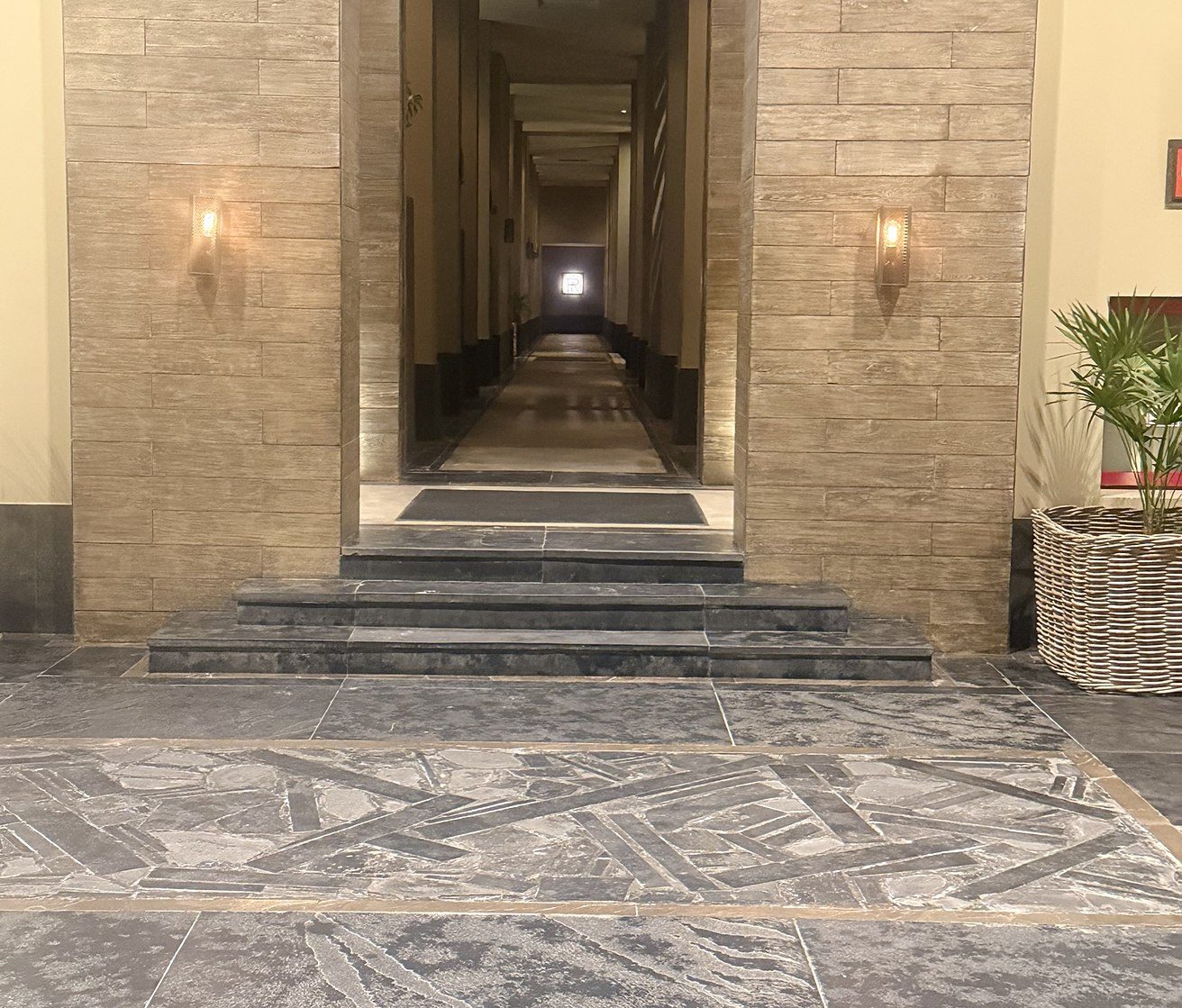
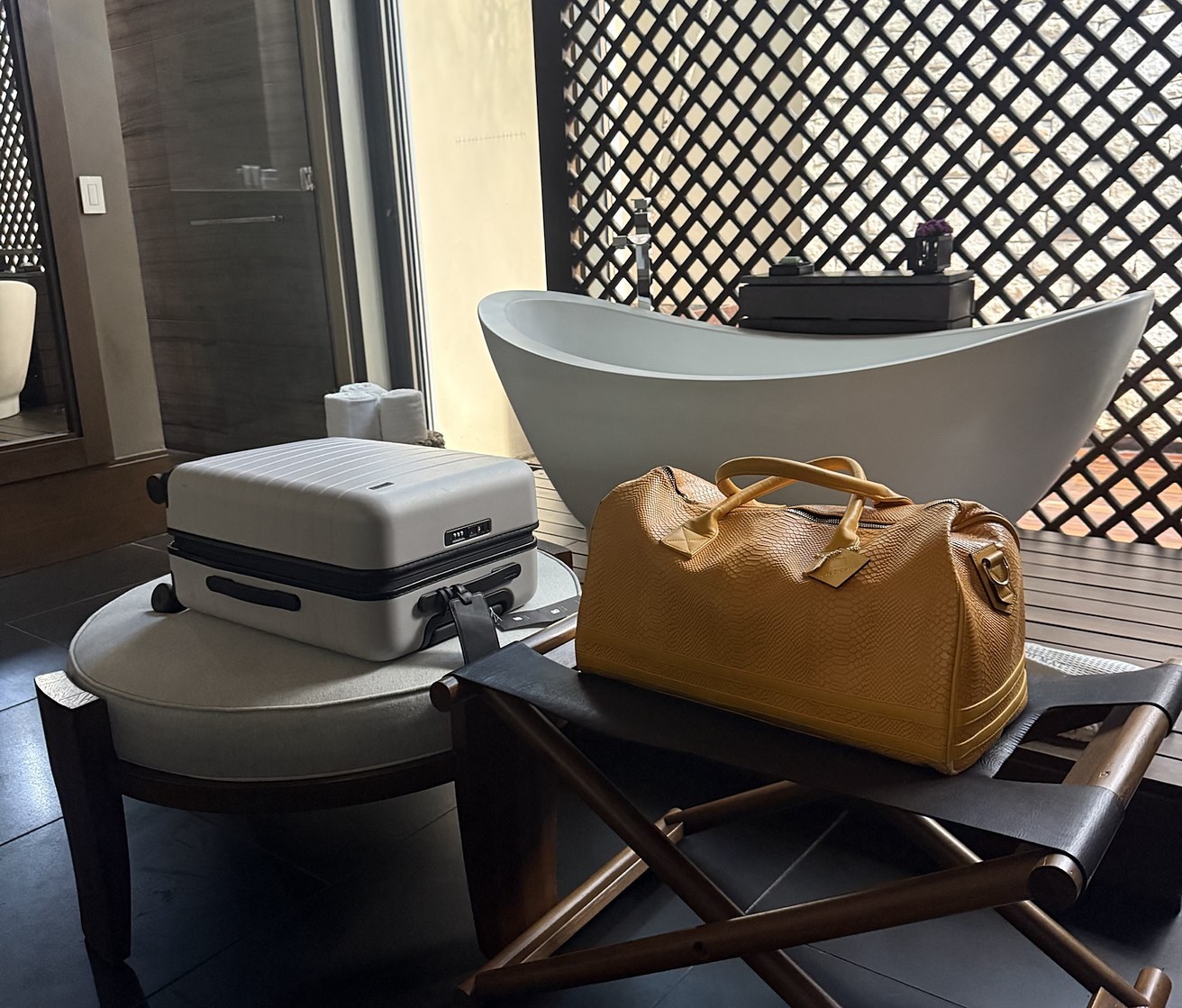
Our luggage was whisked away and thoughtfully placed in our villa.
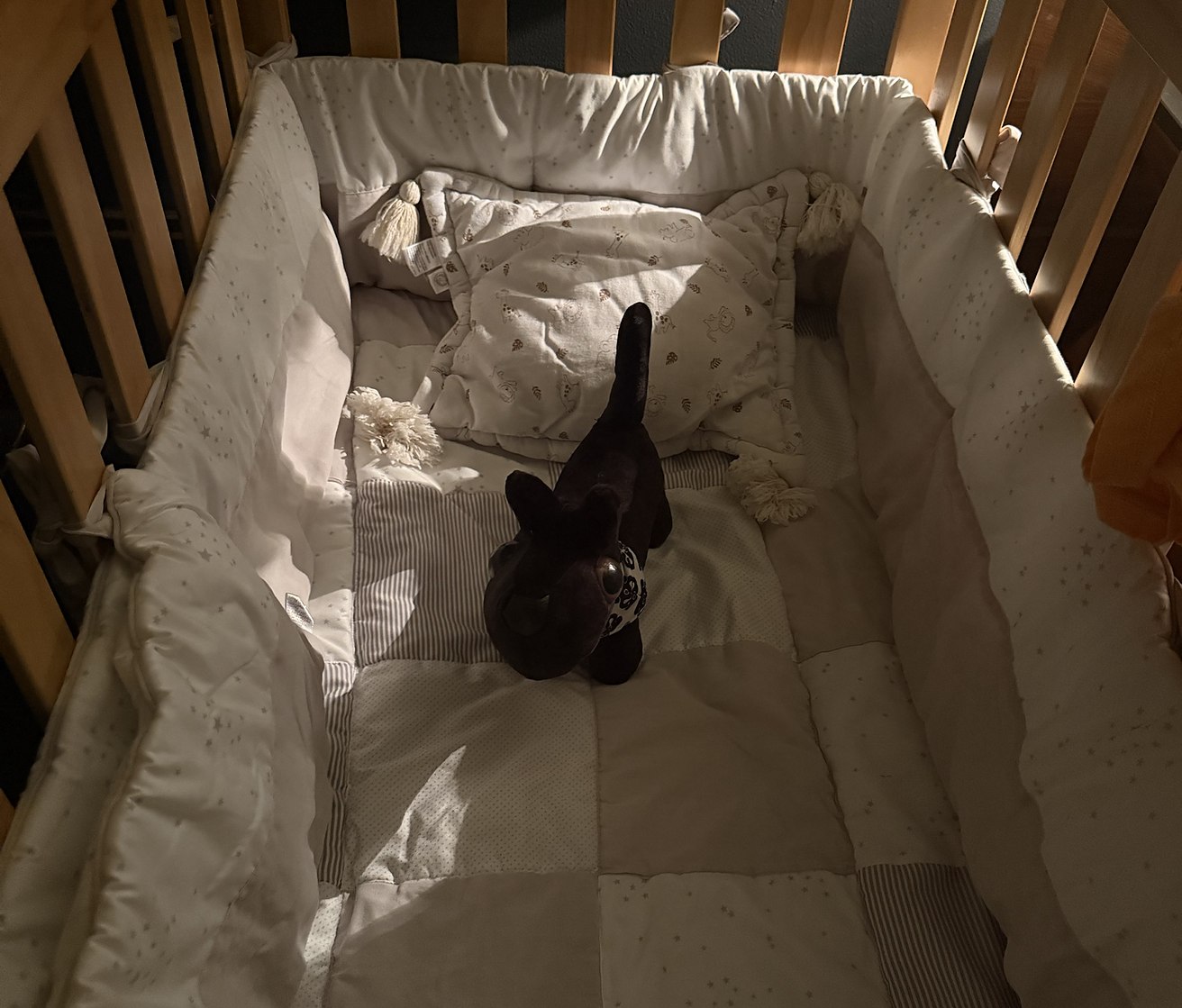
Our son wasn’t simply accommodated. He was welcomed with genuine affection, attention, and thoughtful baby amenities.
Our butler, Alejandro, explained the property, walked us through the villa, and took our coffee and pastry order for the following morning.
We had booked approximately an hour before arriving.
And somehow, everything felt ready.
Again, these are different hotels, and we don’t expect identical levels of service from properties in different categories.
But the experience reinforced something we believe deeply about hospitality.
Luxury isn’t simply about what a property has.
It’s about how the experience makes you feel.
So, is Mondrian Cancún worth it?
There is a great deal to admire about Mondrian Cancún’s physical design.
The lagoon setting is spectacular. The architecture and interiors are beautiful. The restaurants are visually striking, and the rooftop concept has obvious appeal.
We can imagine the property becoming an exciting addition to Cancún’s hospitality landscape.
But during our October 2026 stay, the service experience was not consistent with what we expected from a luxury-positioned all-inclusive resort.
The problems weren’t limited to one disappointing meal or one uncomfortable room.
They extended across arrival, orientation, room readiness, communication, food and beverage service, and the handling of guest concerns.
To the hotel’s credit, several employees demonstrated genuine care, and the decision to release us from our second night’s reservation was both appreciated and appropriate.
We also recognize that the property is relatively new.
A hotel can improve significantly as its team gains experience, systems mature, and leadership addresses operational gaps.
We hope Mondrian does.
Because the property deserves service as thoughtful as its design.
Would we recommend it today?
Based on our stay, not yet.
For travelers who prioritize design, nightlife, and a contemporary social atmosphere, Mondrian may eventually become a compelling option.
But for guests seeking a seamless, attentive luxury experience, we would wait until the property has had more time to establish consistent service standards.
We arrived excited to discover whether Mondrian could bring something different to Cancún’s all-inclusive market.
We left reminded that beautiful spaces, however extraordinary, are only part of what makes a hotel worth staying in.
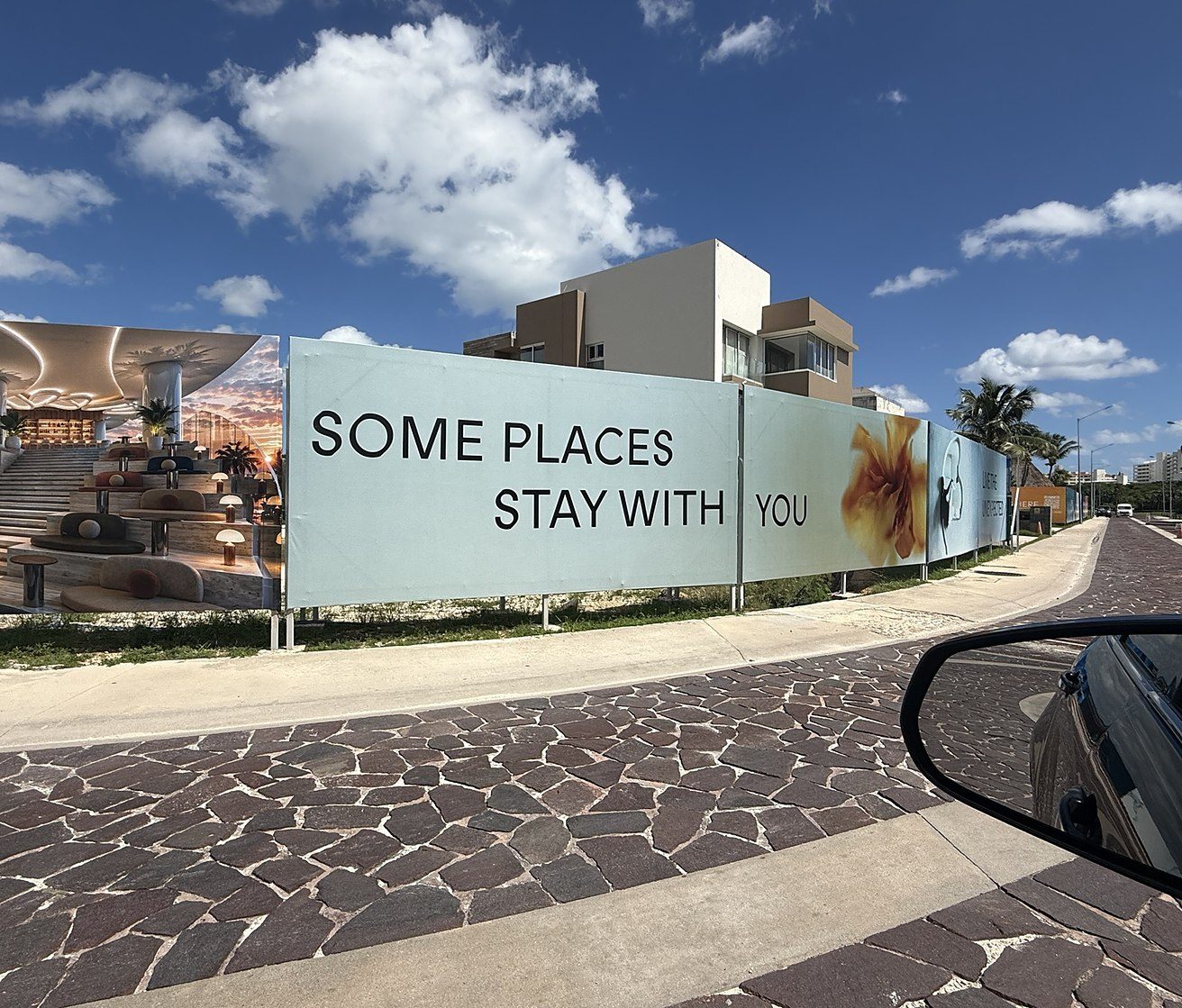
The real experience is created by the people who welcome you, care for you, and make you feel that your presence matters.
More from The Stay Edit.