People treat the Riviera Maya like one destination. It isn't. It's about eighty miles of coast, and the difference between staying in Puerto Morelos and staying in Tulum is not a small one. Different drive times, different beaches, different pace, different kind of trip entirely.
The mistake we see constantly: someone finds a resort that looks beautiful, books it, and then discovers it's ninety minutes from the airport with a baby who did not enjoy the flight. Or they book Tulum expecting resort convenience and get a beach road with intermittent power and no sidewalks. The hotel was fine. The area was wrong for the trip.
- Shortest transfer, easiest arrival: Puerto Morelos or Costa Mujeres
- Walkable town, restaurants, nightlife: Playa del Carmen
- Quiet, service-driven luxury: Mayakoba and Kanai
- Doing very little on purpose: Xpu-Ha or Akumal
- Design, scene, and a longer drive: Tulum
- Empty beaches and water on both sides: Isla Blanca
- An island, not the mainland: Isla Mujeres
First, a geography correction
The Riviera Maya technically runs from Puerto Morelos south to around Tulum. Cancún is not part of it. Neither are Costa Mujeres or Isla Mujeres, which sit north of Cancún entirely.
We mention this because the distinction matters when you're planning. A lot of guides lump all of it together under "Riviera Maya," which leads people to assume a Costa Mujeres resort and a Tulum hotel are roughly interchangeable, twenty minutes apart. They're closer to two hours apart, and they are not remotely the same trip.
We cover the nearby areas too, because if you're deciding where to spend a week on this coast, you're probably weighing them against each other. We just don't pretend they're the same place.
The Riviera Maya, north to south
Puerto Morelos
The first real town south of Cancún, and the easiest arrival on this list. A small square, a fishing village core that still feels like one, and a reef close enough to swim out to. Resorts here range from large all-inclusives to small beachfront places with a dozen rooms.
We recommend it often for families and for anyone on a short trip, because the transfer time you save is time you actually get to use. With a baby or a toddler, the difference between a 25-minute drive and a 90-minute one is the difference between starting the vacation and surviving the arrival.
Mayakoba and Kanai
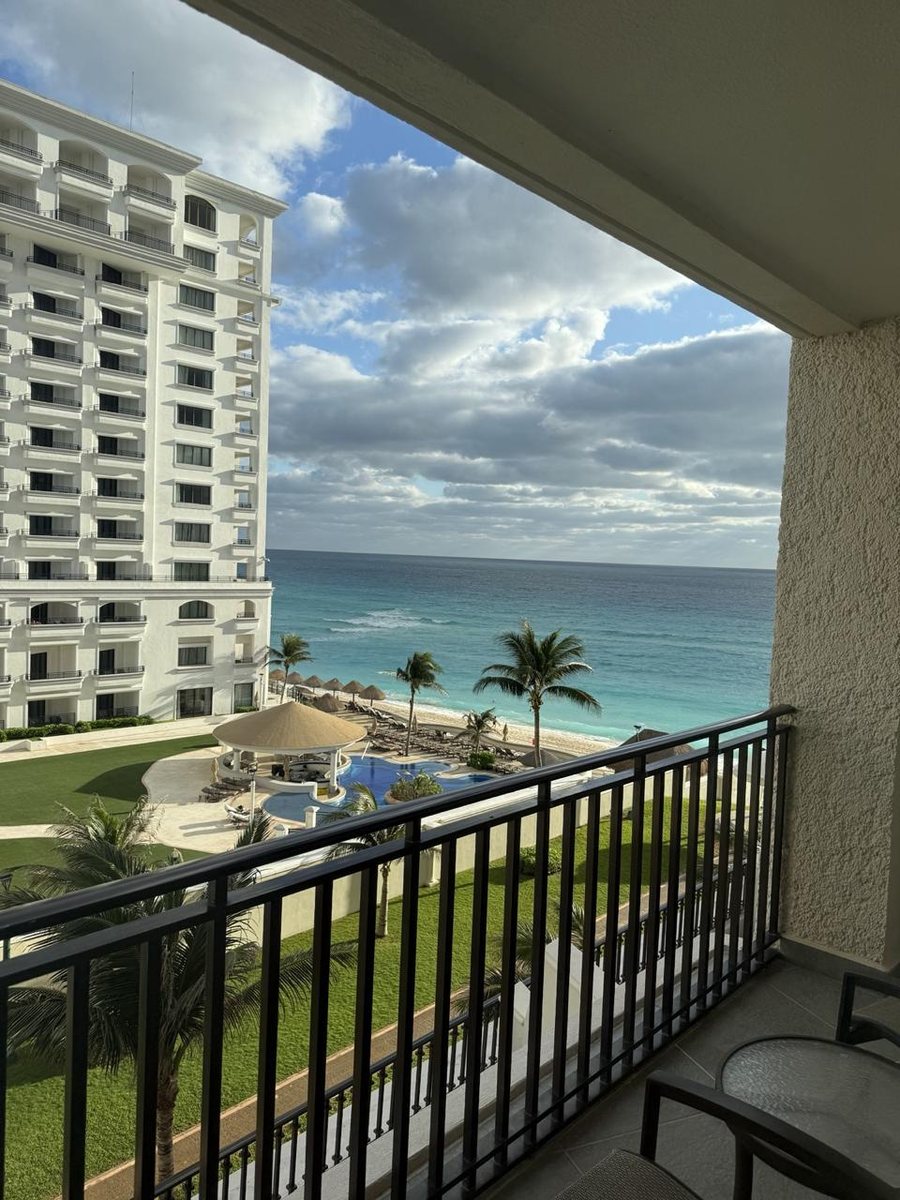
Mayakoba is a private development built around man-made lagoons and canals, with a handful of luxury properties sharing the grounds and a golf course. Directly across the highway is Kanai, a newer development holding The Edition, St. Regis, and Etéreo.
We group these two because guests shop them together. If you're comparing Rosewood against The Edition, you're comparing two properties a few minutes apart, not two ends of the coast. Collectively this is the most concentrated stretch of high-end, service-forward hotels in the region.
Mayakoba properties are large and spread out, with boats and golf carts moving guests between rooms, restaurants, and the beach. Beautiful, and genuinely part of the experience. Also worth knowing before you book a room that's a twelve-minute transfer from breakfast with a stroller.
Playa del Carmen
An actual city, not a resort strip. Fifth Avenue runs parallel to the beach with restaurants, shops, and bars, and there's a real town behind it where people live and work. Hotels range from large beachfront all-inclusives to small boutique places well inside town.
This is the right call if the idea of never leaving your resort sounds boring to you. It's the wrong call if you want silence. The center of Playa is busy, and rooms facing Fifth Avenue hear it.
Xpu-Ha
A quieter stretch south of Playa with one of the better beaches on this coast and far less built around it. A few resorts, a few beach clubs, not much else. Worth considering if the beach itself is the point and you don't need a town attached to it.
Akumal
Low-rise, quiet, known for sea turtles in the bay. Development here is smaller in scale than anywhere north of it, which is the appeal. Fewer big resorts, more condos and small hotels.
Worth knowing that turtle swimming in Akumal bay is regulated now, with restrictions on access and guides required in parts of it. Plan for that rather than assuming you'll wander in.
Tulum
The most talked-about and the most variable. Tulum splits into the beach road (hotel zone), the town itself, and the newer developments inland. These are meaningfully different experiences at meaningfully different prices.
The beach road delivers the aesthetic everyone has seen. It also runs on generators in parts, has limited infrastructure, and gets expensive fast for what you actually receive. Some properties there are genuinely excellent. Others are charging resort prices for a room with intermittent hot water and a very good photographer.
Tulum's own airport opened in late 2023, which changes the math considerably if you can fly into it directly. Flying into Cancún and driving down is a long transfer to end a travel day with.
Beyond the Riviera Maya
Costa Mujeres
North of Cancún, developed recently and quickly. Wide beaches, big newer properties, and a much calmer setting than the Hotel Zone despite being close to it. There are strong family resorts here alongside adults-only ones, which is worth saying because it often gets described as adults-only territory and that isn't accurate.
There isn't much to walk to. If that matters to you, this is the wrong area. If you want a polished resort and a short transfer, it's one of the better values on this coast.
Isla Blanca
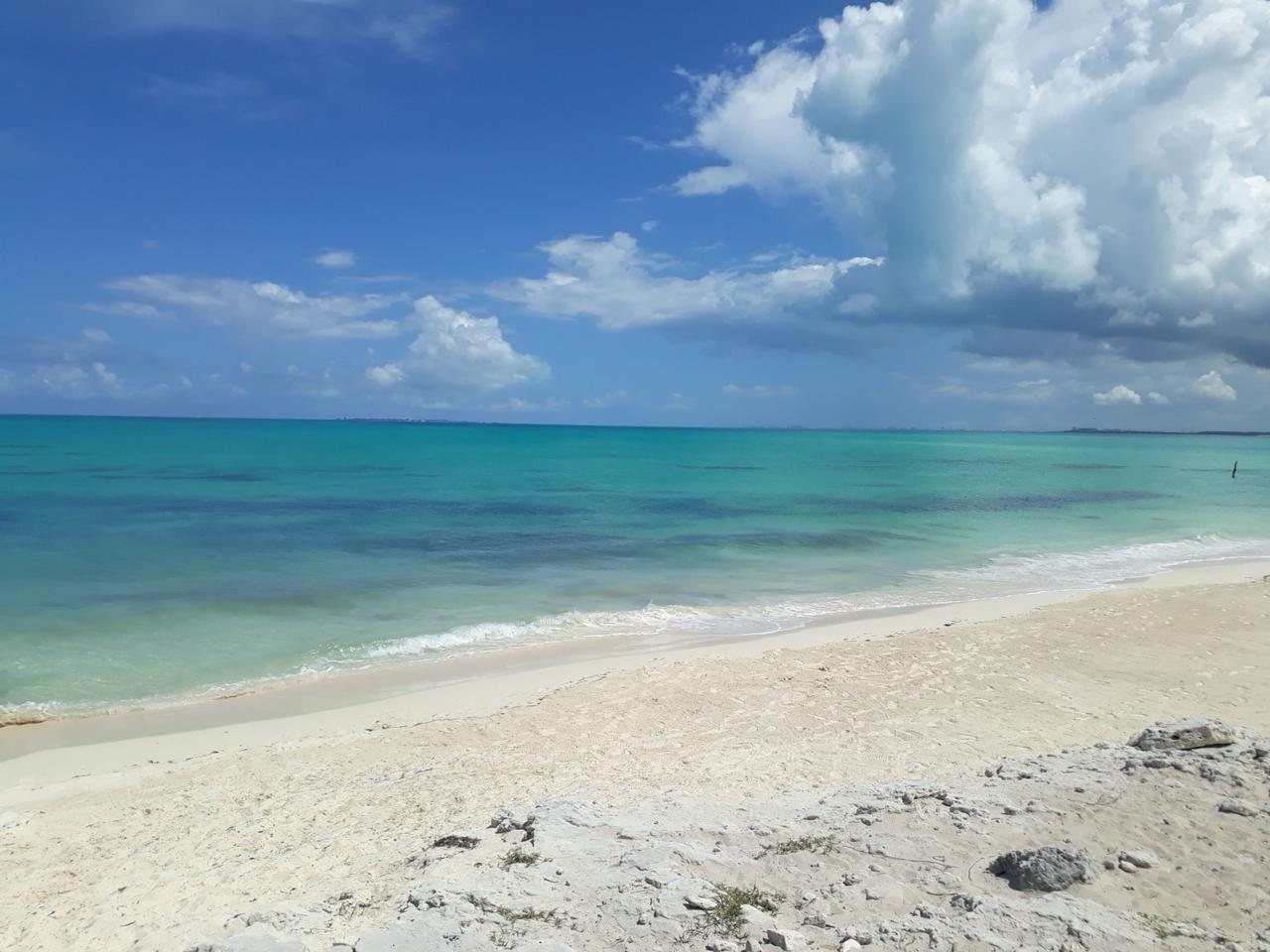
A narrow peninsula running north past Costa Mujeres, with open Caribbean on one side and the shallow Chacmuchuc lagoon on the other. Until recently there was essentially nothing out here. That's changing, and the properties arriving are at the luxury end.
The appeal is the emptiness. These are some of the least developed beaches you can reach by car in this part of Mexico, and having water on both sides means an unusual amount to actually do, from the calm lagoon side to the open coast. It works well for families for the same reason it works for anyone wanting quiet: there is space, and there are very few people in it.
The tradeoff is that there's not much out here yet beyond your resort. That's the point if you want it, and a problem if you don't.
Isla Mujeres
An island stay feels different from the mainland almost immediately. Smaller scale, golf carts instead of cars, and hotel choices that vary a lot depending on whether you want town, beach, or complete escape.
The ferry is part of the equation. It's easy and frequent, but it's a step, and with a lot of luggage or a bad flight schedule it's a step worth thinking about in advance.
Cancún
We don't try to cover Cancún comprehensively. But some Cancún hotels are genuinely worth considering, particularly when convenience matters, when you're arriving late or leaving early, or when a specific resort delivers something the Riviera Maya doesn't. Dismissing the Hotel Zone entirely is its own kind of snobbery.
Two things nobody tells you
Sargassum season is real, and it has been moving earlier. Seaweed washes up along this coast seasonally, and it varies enormously year to year, month to month, and beach to beach. The old rule of thumb was April or May through summer. That has shifted: 2026 saw arrivals as early as January, and the state is on track for one of its heaviest years on record, with well over 100,000 tonnes collected. Volumes typically drop off through the fall, with November through February the most reliable window for clear water.
Geography matters more than most people realize. North-facing and protected beaches, including Playa Norte on Isla Mujeres and parts of Costa Mujeres, tend to fare better than the open east-facing coast. Tulum and the exposed stretches around Playa del Carmen usually take the worst of it.
This is also not a problem anyone here is ignoring. The state runs the Quintana Roo Sargassum Monitoring Network, which publishes a daily traffic-light rating for individual beaches, and the federal government coordinates collection through the Navy, with offshore barriers, collection vessels, and beach crews working through the season. Some properties clear their beaches every morning before guests are up. Others don't. That difference is worth asking about directly.
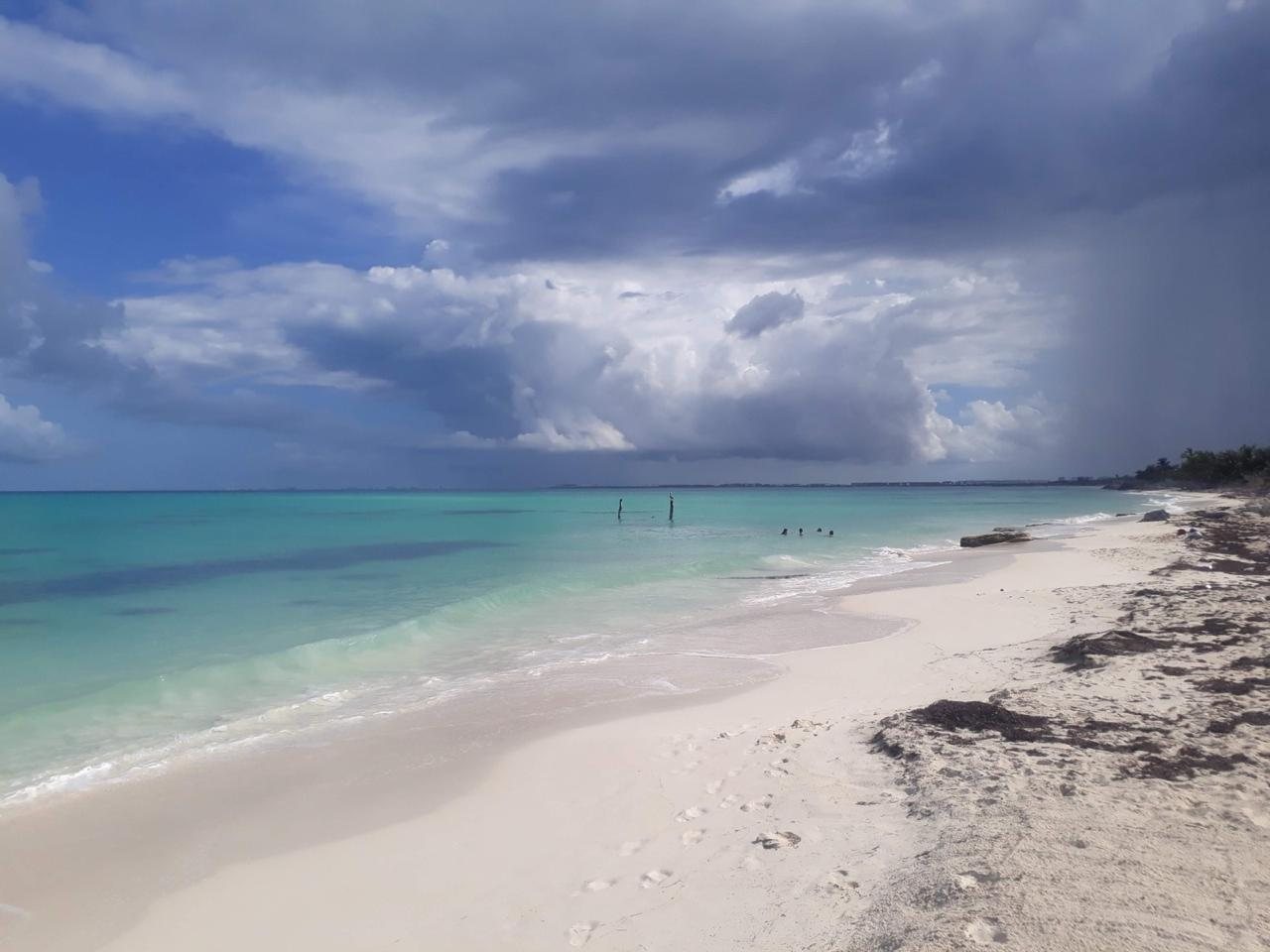
Check the beach-by-beach monitoring reports for the specific area and month you're traveling, and ask the property what their own beach cleaning looks like. No hotel's photography will show you a sargassum morning.
All-inclusive means different things here. At one property it means excellent restaurants, real wine, and service that anticipates you. At another it means wristbands, buffet lines, and paying extra for anything good. The label tells you almost nothing. What matters is the property, and that's a question worth asking specifically before booking.
So where should you stay?
Start with the trip, not the hotel. How long do you have? Who's coming? How much do you actually want to leave the property?
A four-night trip with a toddler and a short transfer window points somewhere very different than ten days with no children and a rental car. Once you know the area, the hotel choice gets dramatically easier, because you're choosing among places that already suit the trip instead of hoping a beautiful property will somehow fix a mismatched location.